
DE
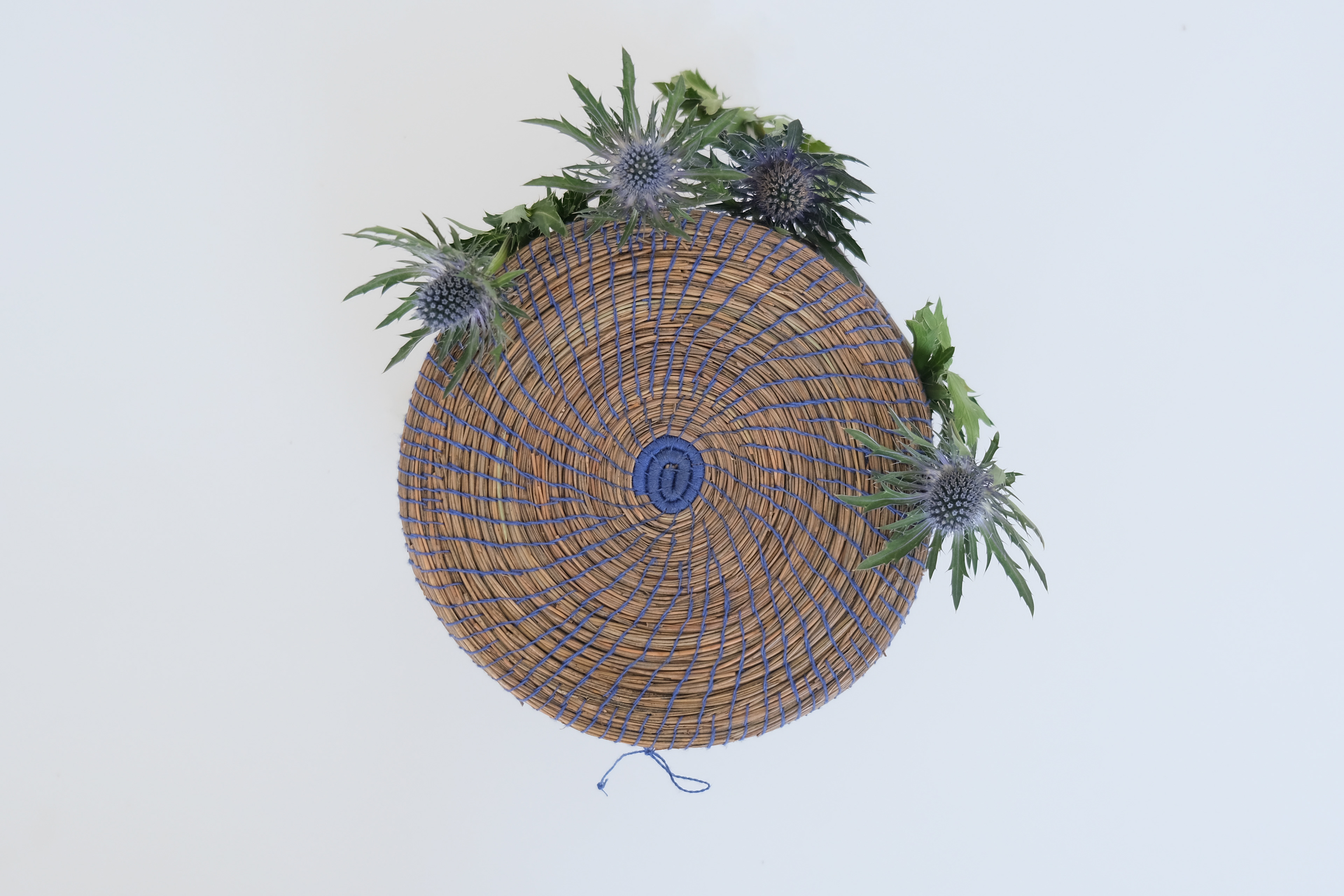
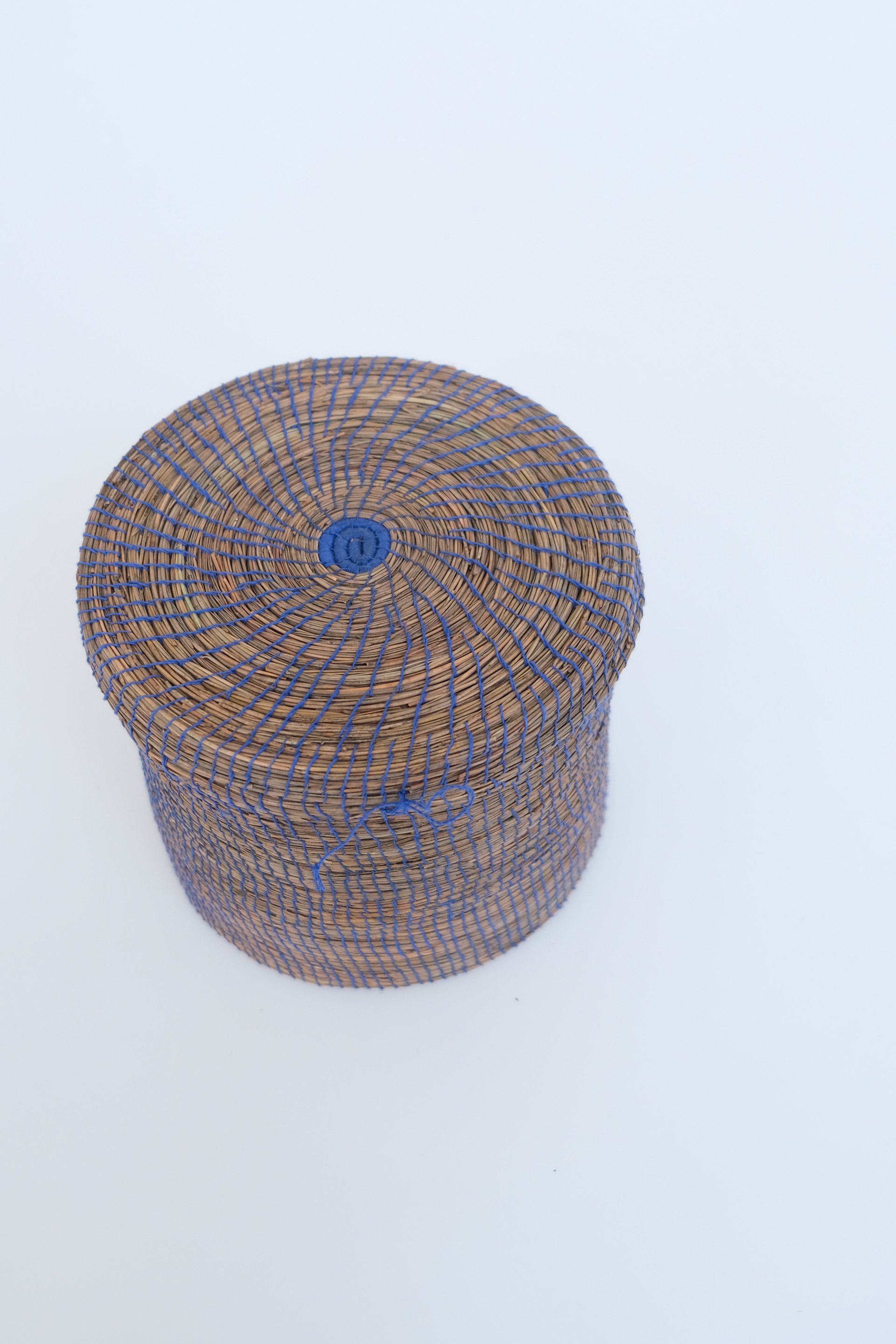
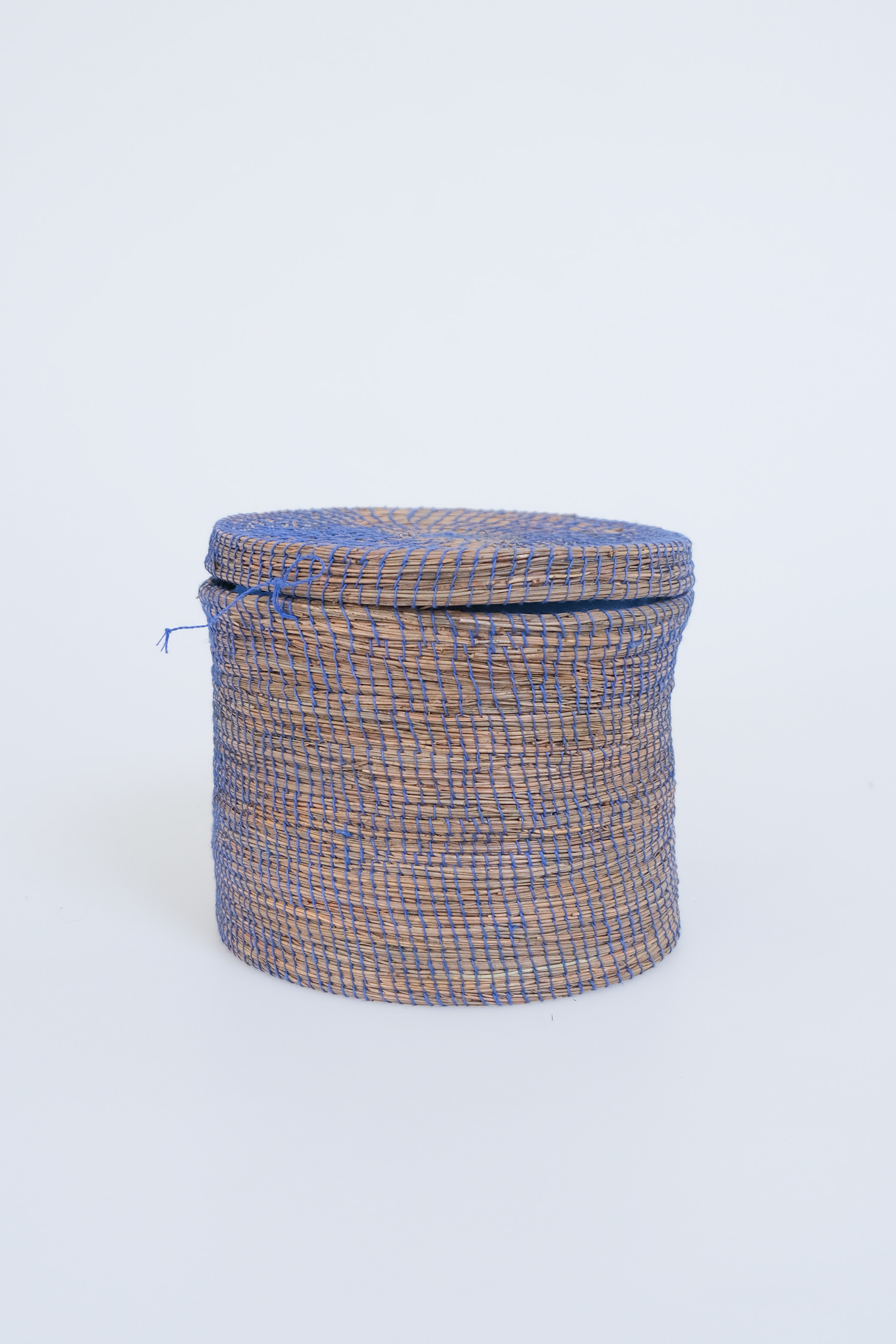
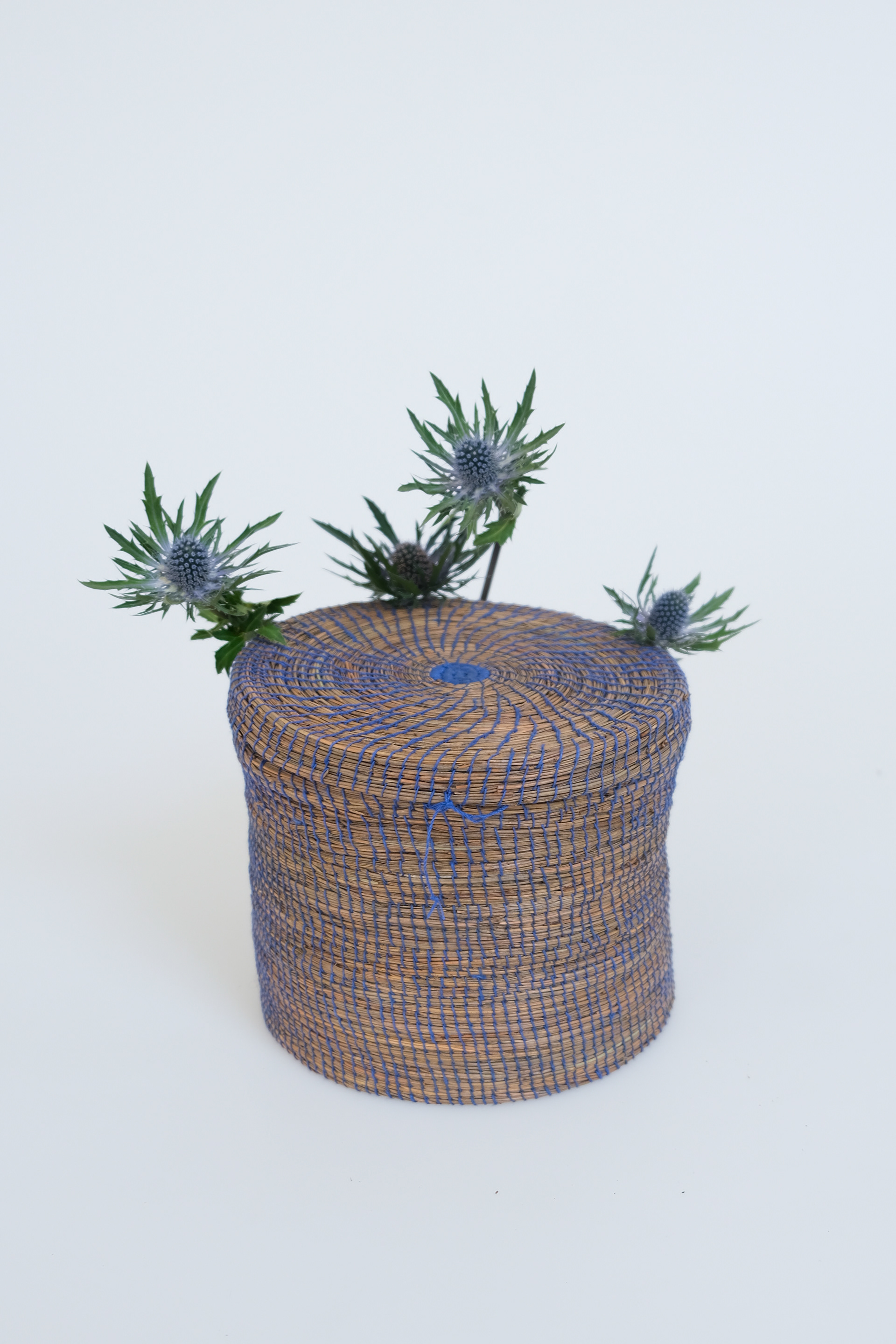
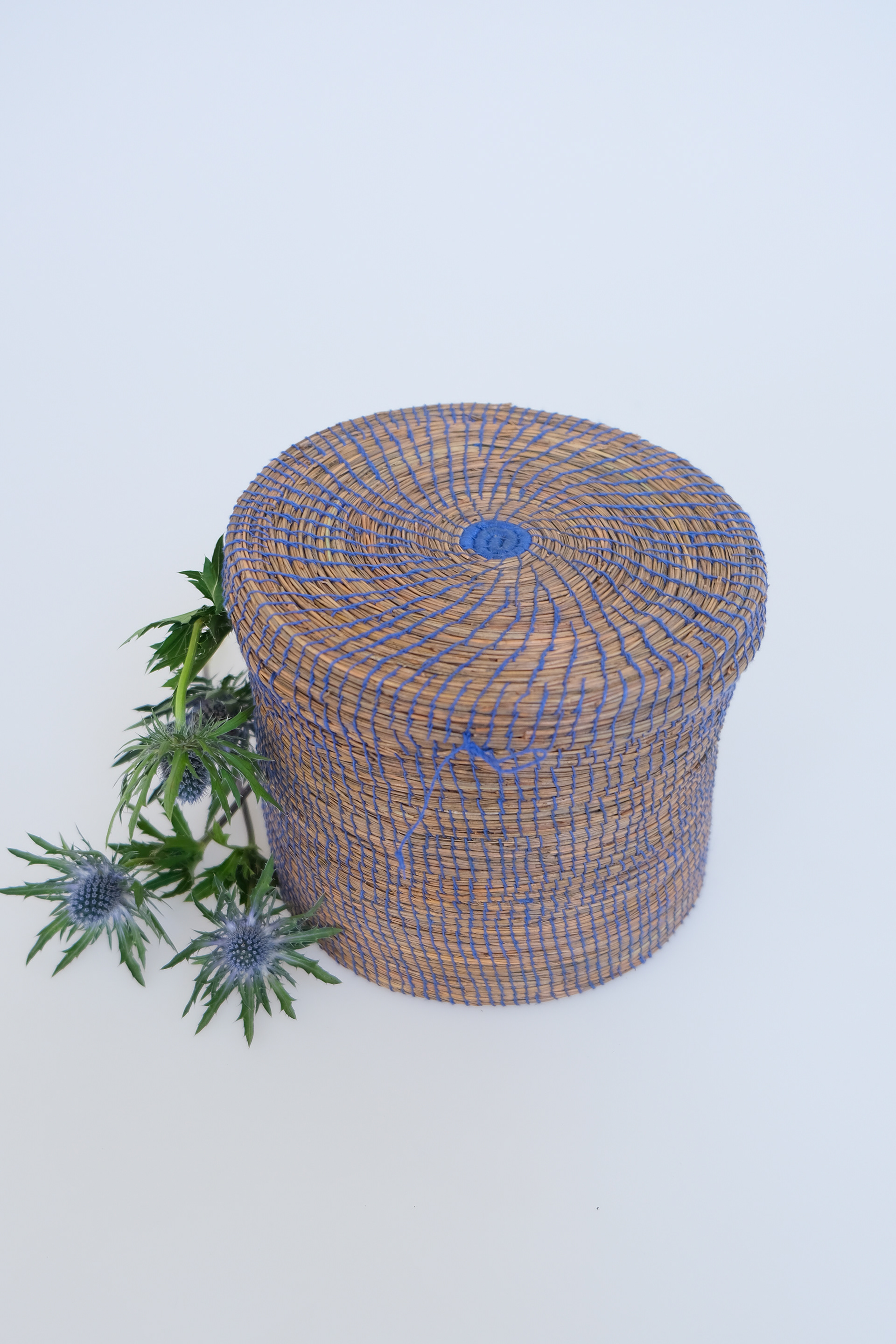
Die Urne „Pinus“ besteht aus Kiefernnadeln. Es handelt sich um eine Humanurne, welche Wert auf Nachhaltigkeit und Regionalität setzt. Der Fokus in der Gestaltung liegt auf Heimatverbundenheit. Gerade im Kontext des Todes spielt Heimat für uns eine große Rolle. Es ist ein emotionales Thema und bringt viele Menschen an den Ort Ihrer Herkunft zurück. Kreisläufe schließen sich. Im Tod kehren wir heim. Mit der Urne werden wir Teil des Waldes und unserer Heimat. Die Urne lässt uns an Wald denken, welcher von uns oft als trostspendender Ort wahrgenommen wird – Der Geruch, das Aussehen, die Haptik. Alle verwendeten Materialien sind leicht abbaubar und natürlich. Verarbeitet ist die Urne in einer Korbflechttechnik, ein traditionelles Handwerk. Hier werden die Nadeln gebündelt und mit einem Leinenzwirn zusammengebunden. Für die Herstellung dieser Urne wird einige Zeit benötigt. Mühe und Zeit, die in die Herstellung investiert werden, drücken Wertschätzung gegenüber der verstorbenen Person aus. Die Nadeln wurden allesamt in Brandenburg gesammelt. In Brandenburg sind ca. 71% der Waldbäume Kiefern und damit die dominierende Baumart.
EN
The urn "Pinus" is made of pine needles. It is a human urn, which places value on sustainability and regionality. The focus of the design is on the connection to the homeland. Especially in the context of death, home plays a big role for us. It is an emotional topic and brings many people back to the place of their origin. Circles close. In death, we return home. We become part of the forest and our home through the urn. The urn reminds us of the forest, which is often perceived as a comforting place - the smell, the look, the feel. All materials used are easily degradable and natural. The urn is fabricated in a basket weaving technique, a traditional craft. The needles are bundled and tied together with a linen thread. The manufacturing of the urn takes some time. The effort and time invested in the creation express appreciation to the deceased person. The needles were all collected in Brandenburg. In Brandenburg, approximately 71% of the forest trees are pines, making them the dominant tree species.